Lights, locks, cameras, thermostats, and appliances that talk to each other and to you. A properly wired smart home isn't a pile of gadgets. It's infrastructure that quietly does the right thing in the background and gives you one app to control everything when you do want hands-on.
Smart home work makes sense if you're building, remodeling, or adding rooms to your home and want the wiring done right while walls are open. It also makes sense for any homeowner ready to consolidate the patchwork of apps and remotes that piles up over time. Whole-home automation pays off most for people who travel, work from home, or want energy savings without thinking about every light switch.
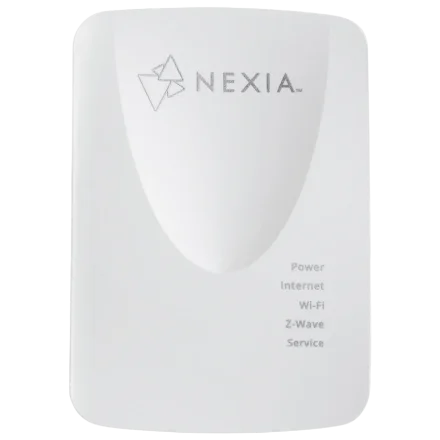
Standalone smart devices are fine for one job but break down when you try to make them work together. A unified system, integrated through a hub like Trane Nexia or a similar platform, ties HVAC, lighting, locks, garage doors, cameras, and more into one ecosystem with rules you set once.
Schedules and scenes let the house adjust itself. Lights dim and the thermostat sets back when the last person leaves. Cameras and doorbells alert you to motion while you're away. Smart locks let in family or service techs without sharing a code, and log every entry. Energy use shows up in dashboards instead of getting buried in monthly bills.
Quality manufacturers back the equipment with strong warranties so your investment is protected long after install.
A smart home is only as good as the wiring underneath it. Clean low-voltage runs, properly grounded outlets, hub placement that gives every device a strong signal, and code-compliant electrical work are what separate a system that just works from one that frustrates you weekly. Godby's certified electricians handle every step and help you build the rules and scenes that match how you actually live. That's what turns a good product into a great long-term investment.